


June 2026
Savoury flavours are food flavourings (powder and liquid forms) that are specifically developed to recreate the authentic taste and aroma of dishes, meats, seafood… These flavour solutions play an essential role in modern food manufacturing, enabling producers to deliver rich, well-balanced, and distinctive flavour experiences that resonate with consumer preferences. In this article, Viet Huong explores the fundamentals of savoury flavours, their key applications, and the food products in which they are most commonly found.
What are savoury flavours?

Savoury flavour provides rich and well-rounded taste profiles to food products.
Savoury flavours are primarily developed to replicate the authentic taste and aroma of meat, fish, seafood, seasonings, herbs, and vegetables. They are widely used in packaged and convenience food products such as snacks, instant noodles, fish skin chips, and sauces… In addition to individual ingredient profiles, some savoury flavourings are designed to capture the distinctive taste of prepared dishes and cooking styles, including roasted, fried, braised, grilled, barbecue, char siu, and fish sauce-based recipes.
Savoury flavourings are typically available in two main forms: powder and liquid. Popular flavour profiles include beef, pork, squid, chicken, shrimp, crab, mushroom, seaweed, and sausage. For specialized applications, food manufacturers may also collaborate with flavour houses to develop customized flavour profiles tailored to specific products, consumer preferences, or market trends, creating unique and memorable taste experiences.
Application of savoury flavours?
Just as sweet flavours are widely used in desserts, confectionery products, and ready-to-drink beverages to enhance sweetness and overall flavour appeal, savoury flavours are also extensively applied across a broad range of food products. In fact, savoury flavourings are present in many of the foods consumers enjoy every day. By enhancing taste, improving flavour consistency, and delivering a more satisfying sensory experience, they have become an essential ingredient in modern food manufacturing. Some of the most common applications of savoury flavours include:
Instant noodles
Savoury flavours are widely used in instant noodles
Instant noodles, as well as ready-to-eat rice vermicelli, pho, and porridge products, are available in a wide variety of flavour profiles, ranging from vegetarian options such as mushroom and spring onion to savoury favourites like chicken, char siu pork, beef, roasted pork, and spicy sour shrimp. To recreate the authentic taste of these dishes, savoury flavourings play a crucial role in product formulation. Carefully developed flavour systems help deliver a taste experience that closely resembles freshly prepared meals while ensuring consistency across production batches.
Snack
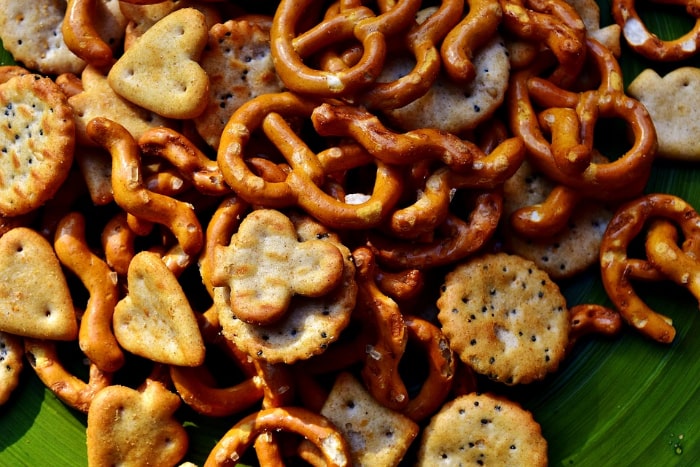
Savoury flavours are also widely used in snack products, particularly those featuring popular savoury profiles such as roasted chicken, grilled beef, sausage, and roasted shrimp. They can also be found in a variety of snack categories, including dried squid snacks, spicy shrimp crackers, crispy seaweed snacks, seasoned rice paper snacks, and sweet-and-spicy dried squid products. By delivering rich, distinctive, and appetizing taste experiences, savoury flavourings play a vital role in enhancing the overall appeal of these products. They help create the bold and memorable flavours that consumers associate with their favourite snacks, making each bite more enjoyable and satisfying.
Sauces
Savoury flavourings are commonly incorporated into condiments and sauce products such as soy sauce, dipping sauces, prepared fermented fish sauces, barbecue marinades, and other savoury sauces. These flavour solutions help maintain a consistent and appealing taste profile throughout the product’s shelf life while enhancing the overall sensory experience. When combined with other food ingredients and additives, they can also enhance aroma, mouthfeel, and texture, resulting in sauces and condiments that are more flavourful, appetizing, and enjoyable for consumers.
Soy sauces
During food processing, condiments such as soy sauce, dipping sauces, and other savoury seasonings may experience changes in their natural flavour profile. In some cases, the original taste may not be sufficiently robust or appealing to meet consumer expectations. To address this, manufacturers often incorporate savoury flavourings to enhance flavour intensity, improve overall taste balance, and deliver a richer, more satisfying sensory experience. These flavour solutions help create products with consistent, distinctive, and consumer-preferred flavour profiles while supporting product differentiation in a competitive market.
Popular types of savoury flavourings
Seafood flavours
Seafood flavours are among the most popular savoury flavour profiles
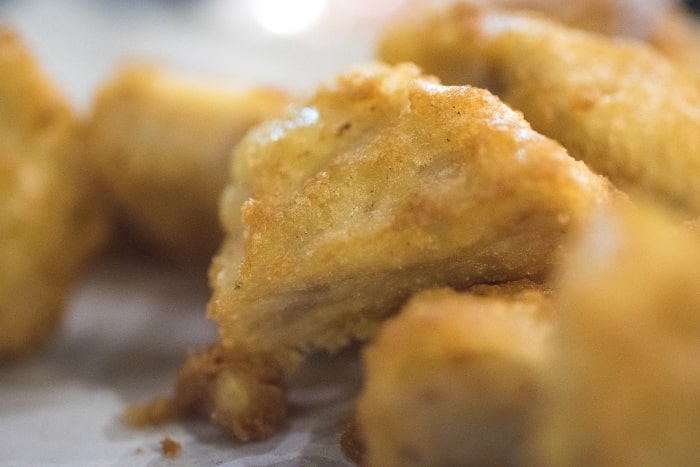
Seafood is a popular choice among consumers worldwide, making seafood-inspired flavour profiles a common feature in many convenience and packaged food products. Some of the most popular seafood flavour profiles include boiled shrimp, crab, salmon roe, tamarind crab, and grilled squid. These flavourings help create rich, distinctive, and appetizing products that capture the essence of seafood dishes while meeting consumer demand for convenient and flavourful food options.
Meat flavours
Meat flavours are among the most widely used savoury flavourings in the food industry, valued for their rich, hearty, and satisfying taste profiles. Some of the most popular meat flavour profiles include smoked bacon, beef, roasted chicken, and roasted pork.
>>> Explore Viet Huong‘s premium range of food flavours and fragrances, crafted to inspire innovation and elevate your products.