


June 2026
Flavours play a pivotal role in the food industry. They not only enhance natural flavour profiles but also improve sensory quality and help define each product’s unique identity. As such, flavours are considered an indispensable element in connecting with consumers through their sense of taste. Let’s start with Viet Huong as we explore what flavours are and discover essential insights in the article below.
>>> Read more: The world of flavour at Viet Huong
What is flavour?
Flavours are substances or mixtures of substances added to food products to create, enhance, or restore their aroma and taste during processing, thereby imparting distinctive sensory characteristics to products such as confectionery, baked goods, beverages, etc.
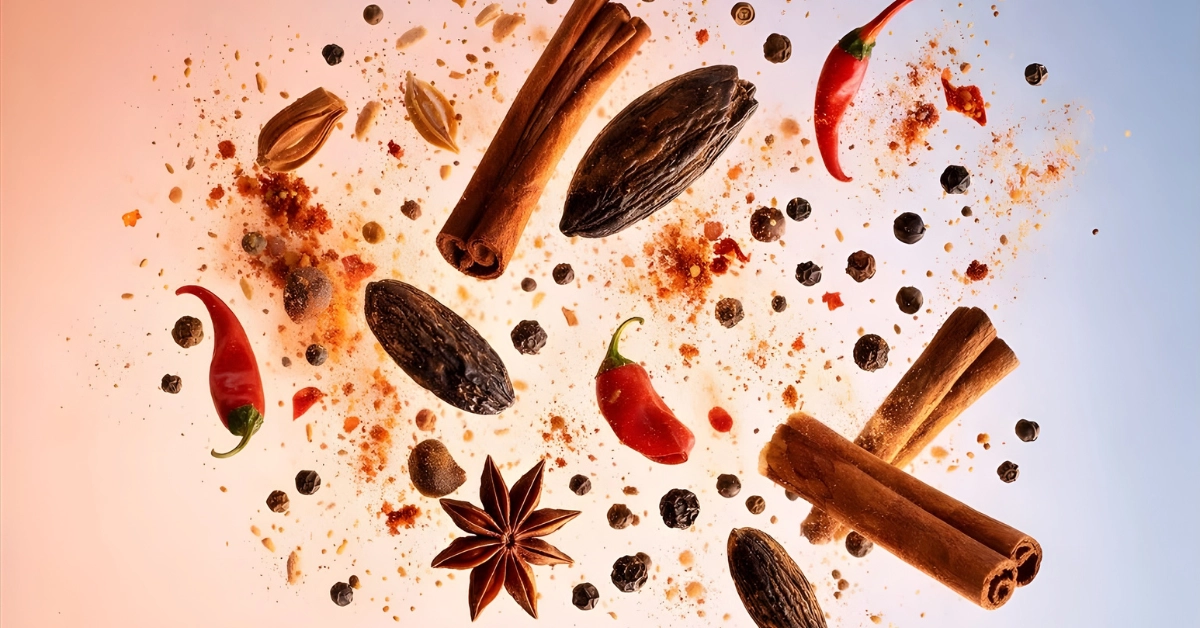
Flavours play a pivotal role in enhancing product appeal
History of flavour
Flavours have been used long before recorded history. From the earliest days, flavours have been an integral part of humanity’s quest to make food and beverages more enjoyable, creating richer and more satisfying sensory experiences.
In 1492, America captured the world’s attention when explorer Christopher Columbus set out in search of the spice riches of the Far East. Centuries later, the emergence of the modern food industry created a demand for flavours that were not only familiar to consumers but also adaptable to new food manufacturing processes.
In the nineteenth century, companies in Germany and Switzerland were among the first to significantly expand the flavour market, primarily through the extraction of naturally derived flavouring substances from food sources. In the United States, many early flavour houses initially operated as importers of essential oils and extracts from Europe. They soon expanded their operations to meet growing domestic economic and market demands by developing formulations and manufacturing ingredients locally. By the early twentieth century, the rapid growth of food and beverage companies further accelerated the demand for commercial flavours.
Today, flavours are present in nearly every product we consume every day. They not only enhance the natural taste of foods and beverages but are also used creatively to deliver innovative and exciting flavour experiences in products ranging from snacks and fruit juices to even bottled drinking water.
Types of flavour
Natural flavour
It is extracted from natural ingredients such as fruits, herbs, flowers, vegetables, etc. They bring authentic and original taste profiles. These flavours align with the growing consumer demand for healthier, safer, and wellness-oriented products.
Artificial flavour
Produced through chemical synthesis, these flavouring substances are designed to deliver specific aroma and taste profiles in food products.
Another category of flavours is nature-identical flavours. These flavours are composed exclusively of chemical substances that occur naturally in nature, although they are produced through synthesis or other manufacturing processes.
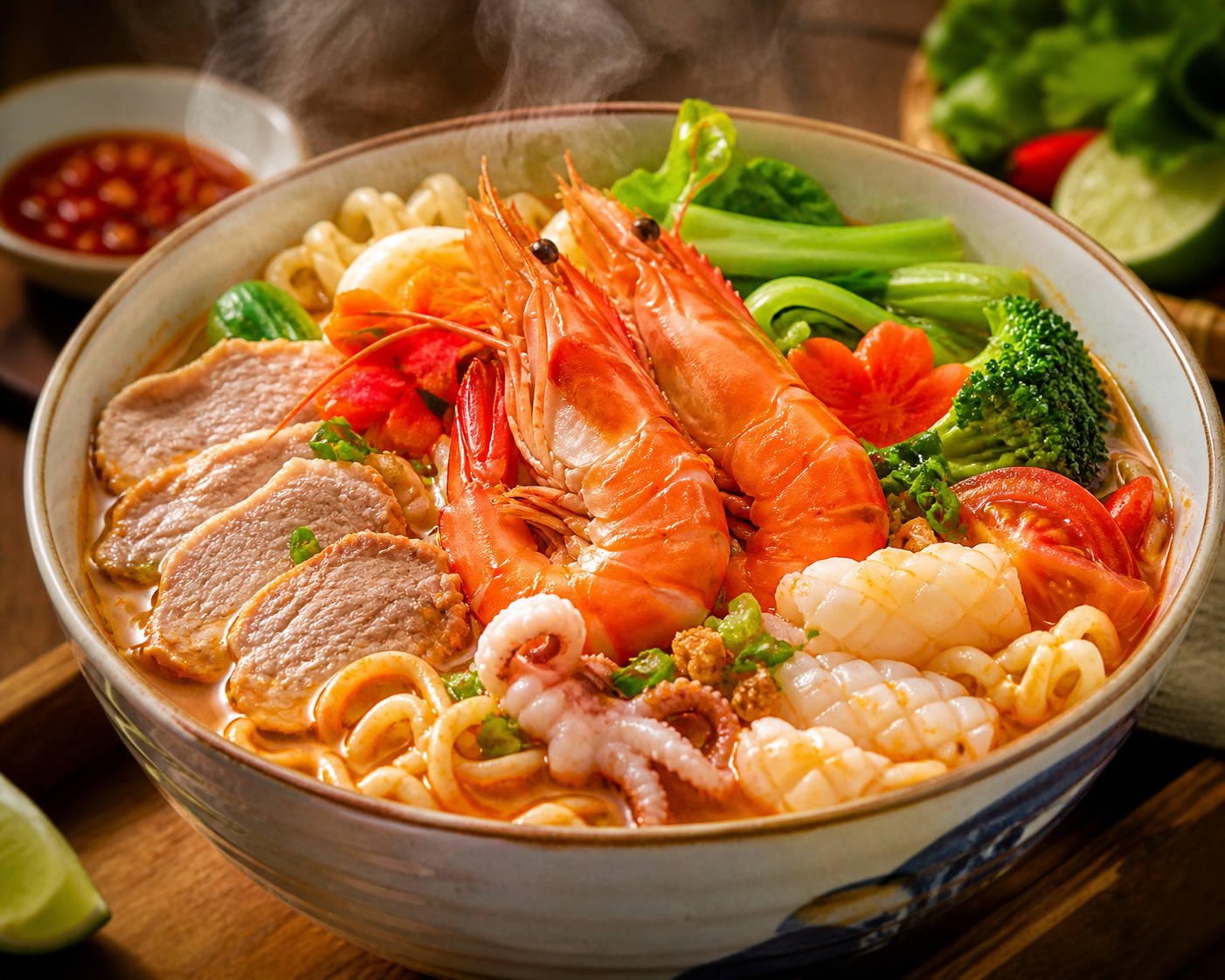
Flavours ensure consistent product quality and support new product development
Why use flavours for food?
Flavours play a pivotal role in enhancing product quality and strengthening market competitiveness.
Enhance product appeal
This is a crucial factor that directly influences consumer perception. Flavours make products more delicious and appealing, thereby enhancing the overall consumer experience and increasing the likelihood of repeat purchases.
Restore flavour lost during processing
During food processing, the natural aroma and taste of raw ingredients may be diminished or lost. Flavours help restore or enhance these sensory characteristics, ensuring that the final product delivers the desired flavour profile.
Ensure consistent product quality
Natural raw materials may vary in flavour due to factors such as seasonality, geographical origin, and storage conditions. Flavours help ensure consistent taste profiles across production batches, providing consumers with a reliable and consistent sensory experience.
Support new product development and meet current consumer trends
Flavours empower manufacturers to develop innovative and unique taste experiences that cater to evolving consumer preferences and market trends.
Optimize production costs
The use of flavours can reduce reliance on expensive natural ingredients and raw materials with limited or seasonal availability. This enables manufacturers to optimize production costs while maintaining consistent sensory quality.
Enhance market competitiveness
Flavour is one of the key factors that differentiates a product. Developing a distinctive flavour profile can help businesses establish a strong brand identity and gain a competitive advantage in the marketplace.
Viet Huong – A leading manufacturer and supplier of flavours in Vietnam
With more than 30 years of experience and a team of leading experts in research and development, Viet Huong is committed to delivering optimal flavour solutions tailored to each customer’s specific applications and unique requirements.

Viet Huong factory
Viet Huong is equipped with modern manufacturing facilities and state-of-the-art production lines, all strategically invested to comply with stringent quality and food safety standards. In parallel, the company continuously invests in research and development (R&D), building a comprehensive library of tens of thousands of flavour formulations to cater to the ever-evolving demands of the market.
Our flavour solutions are extensively used in a wide variety of food and beverage applications, including:
- Alcoholic and non-alcoholic beverages
- Confectionery and baked goods
- Milk and dairy products
- Instant noodles and processed foods
Leveraging in-depth R&D expertise, state-of-the-art manufacturing capabilities, and profound market insights, Viet Huong is committed to partnering with customers to create distinctive, high-quality products that stand out and succeed in the marketplace.