


July 2026
When developing a new product, one of the most common questions food and beverage manufacturers ask is: “Should we use powder flavours or liquid flavours to achieve the best performance?” Each flavour format offers distinct characteristics in terms of solubility, stability, processing compatibility, and application suitability. Selecting the right flavour format not only enhances the sensory profile of the final product but also helps reduce production costs, improve product consistency, and shorten the R&D development cycle.
In this article, Viet Huong explains the key differences between powder and liquid flavours, helping manufacturers identify the most suitable solution for their specific applications.
Powder flavours or liquid flavours: Which one should you choose?
During product development, one of the most frequently asked questions is “Should I use powder flavours or liquid flavours?” The answer is straightforward: “Neither format is universally superior.”
The optimal choice depends on multiple technical factors, including:
- The final product format
- Processing conditions
- Heat treatment
- Manufacturing process
- Desired flavour performance
Understanding these differences enables food and beverage manufacturers to optimize product quality, control production costs, and ultimately deliver a better consumer experience.
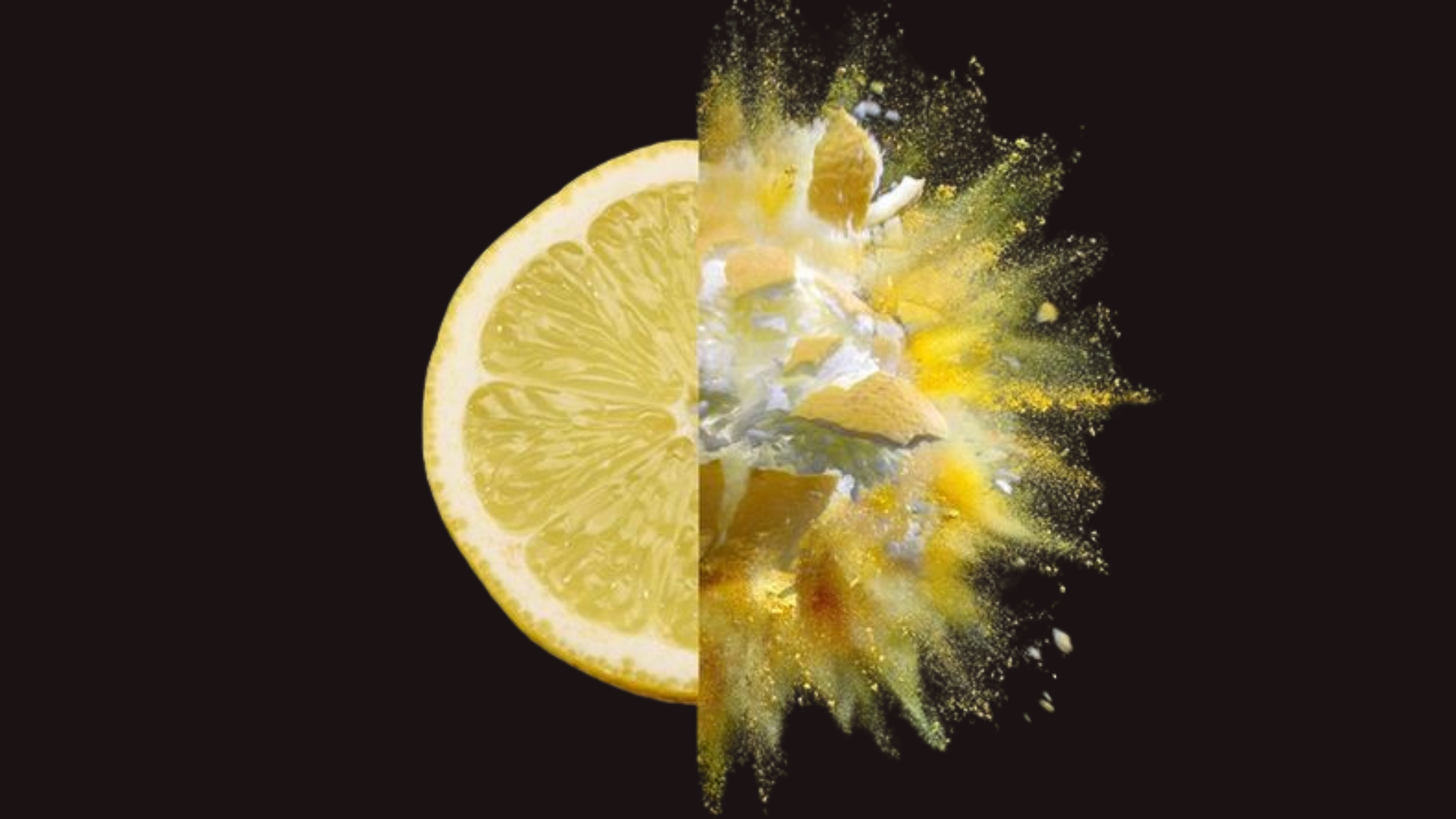
Should you choose powder flavours or liquid flavours?
What are powder flavours?
Powder flavours are food flavourings manufactured in powder form, typically using spray-drying or encapsulation technologies. These technologies protect aroma compounds, improve flavour stability, and minimize flavour loss during processing and storage.

Powder flavours – Advanced technology for preserving authentic flavour.
Powder flavours are particularly suitable for applications such as:
- Snack seasonings
- Biscuits and cookies
- Hard candies
- Instant cereal products
- Dry food mixes
Their excellent dispersibility, ease of blending, and superior storage stability make them an ideal solution for dry manufacturing processes.
What are liquid flavours?
Liquid flavours consist of flavouring compounds dissolved or dispersed in carriers such as water, vegetable oil, or other food-grade solvents. Their primary advantage lies in their rapid dissolution and their ability to deliver an immediate, vibrant flavour release, especially in beverage applications.
For products with high moisture content or liquid processing systems, liquid flavours generally provide superior performance.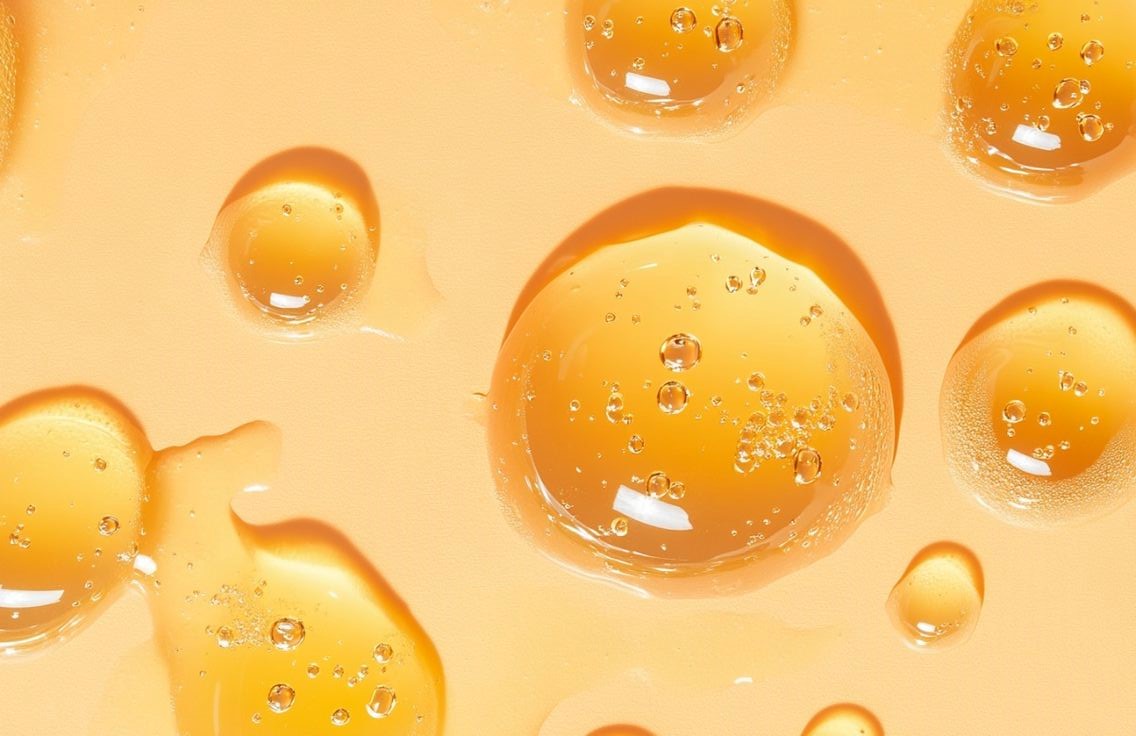
Liquid flavours – Delivering authentic taste with immediate flavour impact
Liquid flavours are widely used in applications including:
Beverages
- Soft drinks
- Ready-to-drink (RTD) teas
- Fruit juices
- Energy drinks
- Nutritional beverages
- Sports drinks
Dairy products
- Fresh milk
- Drinking yogurt
- Plant-based milk
Food applications
- Syrups
- Sauces
- Ice cream
- Jelly products
Are powder flavours more heat-stable?
Đây là một quan niệm khá phổ biến nhưng chưa hoàn toàn chính xác. Khả năng chịu nhiệt của hương không chỉ phụ thuộc vào dạng bột hay dạng lỏng mà còn phụ thuộc vào công nghệ sản xuất, công thức hương, nhiệt độ và thời gian gia công. Trên thực tế, nhiều hương dạng lỏng vẫn được thiết kế để chịu được quy trình UHT hoặc nướng.
This is a common misconception. In reality, heat stability is not determined solely by whether a flavour is in powder or liquid form. Instead, it depends on several formulation and processing factors, including:
- Flavour formulation
- Manufacturing technology
- Encapsulation system
- Processing temperature
- Heating duration
- Manufacturing conditions
Many modern liquid flavours are specifically engineered to withstand demanding processes such as:
- UHT processing
- Pasteurization
- Baking
- Thermal sterilization
Therefore, selecting a heat-resistant flavour should be based on its technical specifications rather than its physical format.
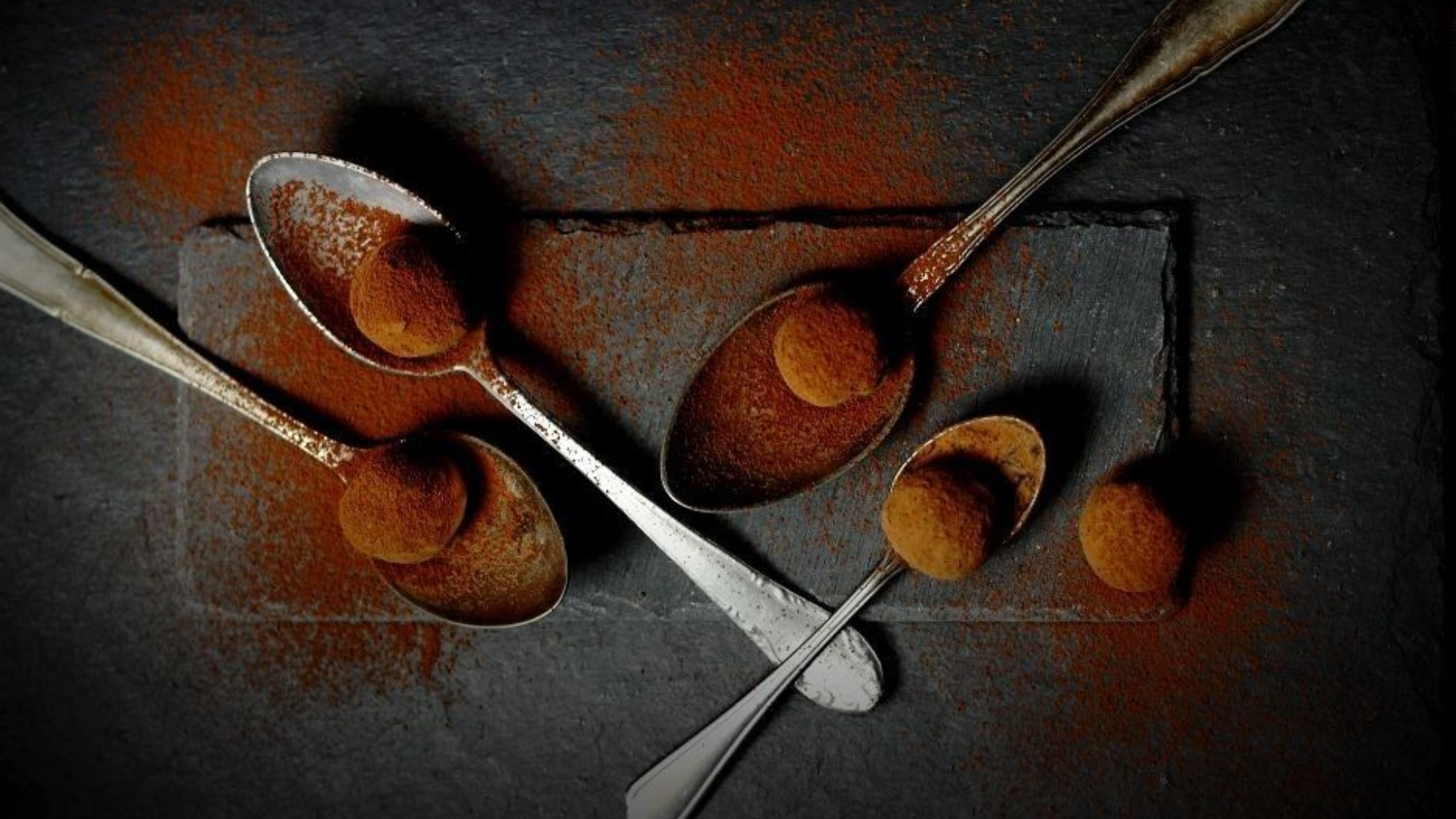
Heat stability depends on flavour technology—not on whether the flavour is powder or liquid
Can powder flavours replace liquid flavours?
This is another question frequently raised by food and beverage manufacturers. The answer is: Not always. Replacing a liquid flavour with a powder flavour—or vice versa—requires evaluating multiple technical considerations, including formulation compatibility, processing conditions, dosage, and sensory performance.
For this reason, manufacturers should consult experienced flavour suppliers before making any substitution to ensure that the final product quality remains unchanged. Different products and manufacturing processes require different flavour formats.
As a general guideline:
- Powder flavours are typically preferred for dry food applications.
- Liquid flavours are generally the better choice for beverages and liquid processing systems
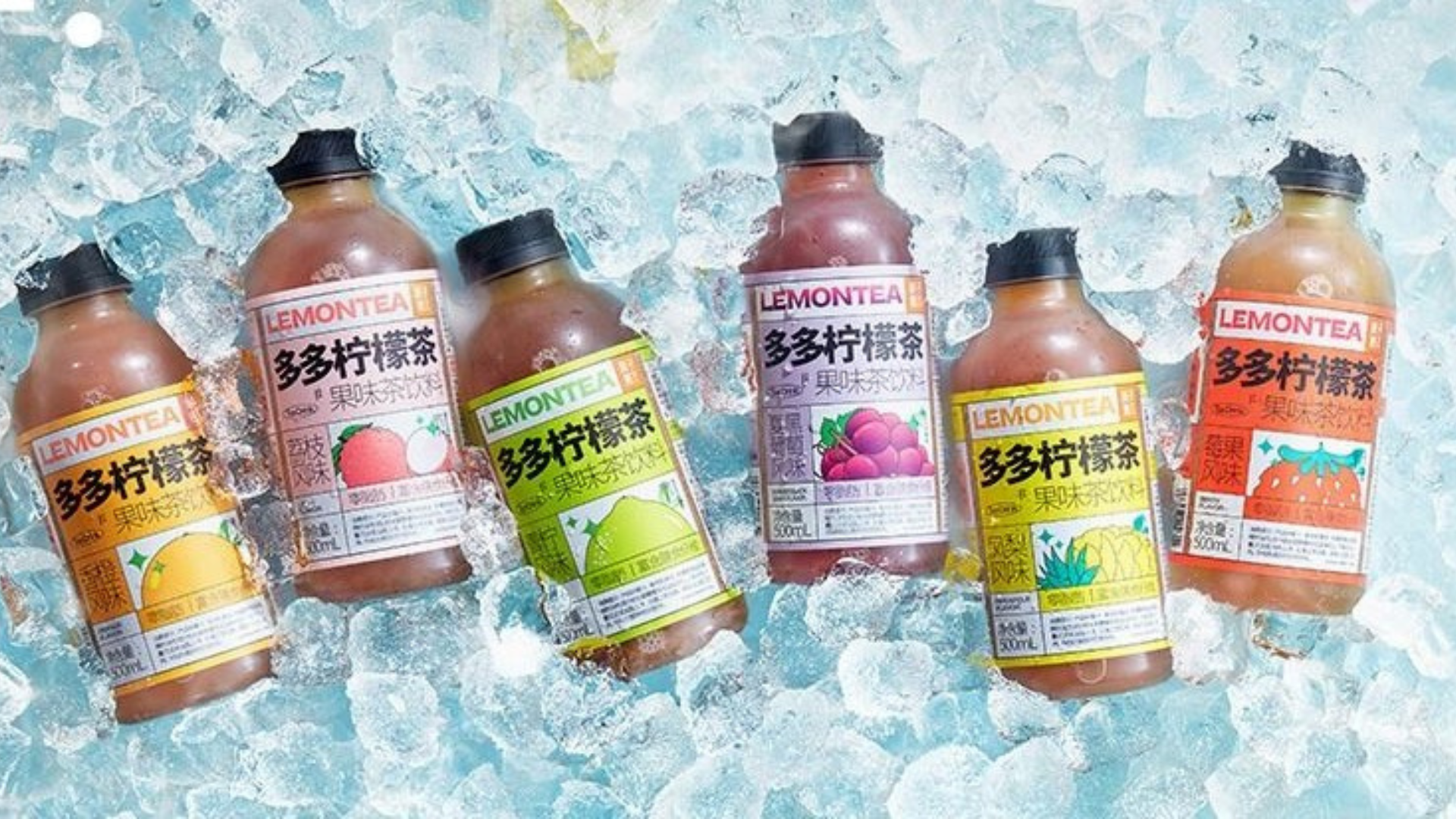
Liquid flavours are generally the preferred option for RTD beverage applications.
Ultimately, there is no universally superior flavour format. The most effective solution is selecting the flavour format that best matches the product, manufacturing process, and desired sensory profile. Whether you are developing a new beverage, snack, dairy product, or confectionery application, the right flavour system can significantly improve product performance and accelerate commercialization.
At Viet Huong, we partner with manufacturers throughout the entire product development journey—from concept creation and flavour selection to formulation optimization and commercial production.