



The beverage market is becoming increasingly diverse and highly competitive. As a result, beverage manufacturers are required to continuously innovate and develop new, unique, and creative flavours. This is the key to winning consumers’ taste preferences and achieving outstanding brand success.
Flavours play a crucial role in beverage products, serving as the main source of inspiration for shaping new taste trends. When skillfully blended in the right proportions, these flavours can significantly enhance both the quality and appeal of beverages. Beyond delivering rich and delicious taste, they also create a well-balanced sensory experience—harmonizing sweet and sour notes, adding refreshing coolness, and offering captivating aromas that stimulate all the senses.
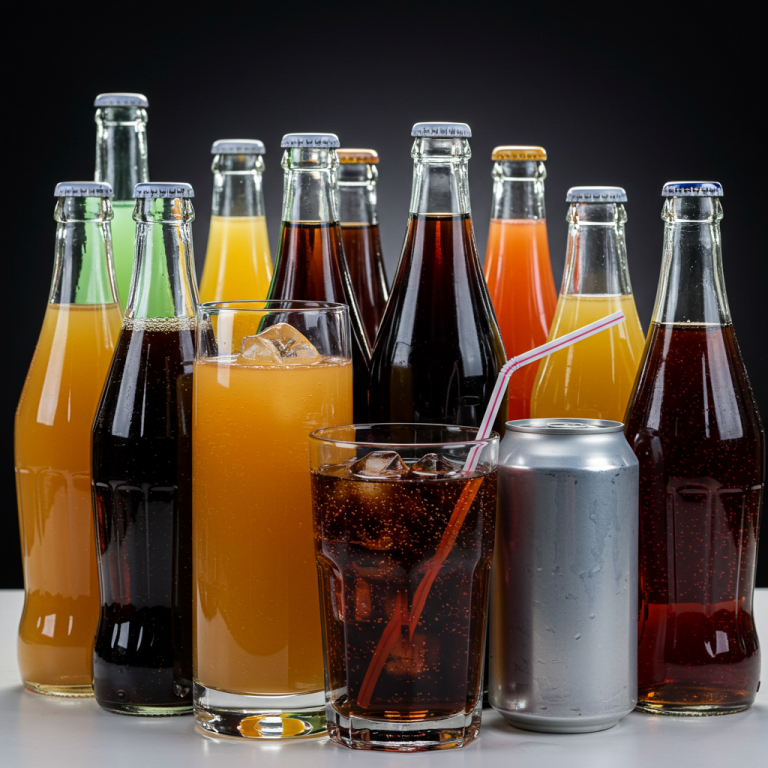
The carbonated beverage market is gradually shrinking as consumers grow increasingly concerned about calorie and sugar content, which may negatively impact health. As a result, there is a clear shift toward more natural beverages and products that avoid controversial ingredients such as sugar. Consequently, low-calorie and sugar-free products are being strongly driven and rapidly developed.
At the same time, concerns over artificial sweeteners are rising alongside the trend of sugar reduction. This has led to increased use of natural sweeteners or low-sugar/low-calorie sweetener blends.
Moreover, the beverage market is becoming more diverse, offering consumers a wider range of choices. As a result, carbonated drinks are no longer the top preference. On the other hand, innovative and unique flavours continue to be a key driver, especially for adventurous consumers seeking new taste experiences.
Manufacturers are exploring new approaches to break boundaries and combine concepts in order to create a wider range of innovative products that still meet market demands. At the same time, consumers are increasingly eager to explore bolder, more unique flavours that deliver rich, multi-sensory experiences.
Hybrid innovation (or product blending) is particularly appealing, as it allows consumers to enjoy additional functional benefits—such as real fruit juice content, added caffeine, or herbal extracts—while experiencing new and exciting flavour profiles.
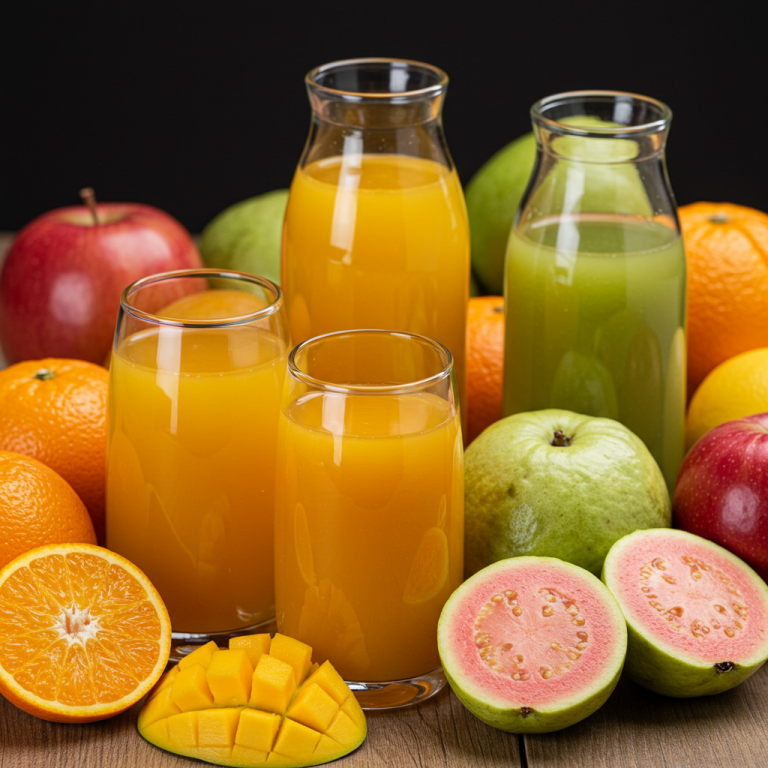
Juices and juice-based beverages are non-alcoholic drinks made from or containing a proportion of fruit juice or vegetable juice. Some products are sold directly as fresh juice, while others are produced in bottled formats and can be stored at room temperature.
Although juices and juice-based drinks are generally considered healthy, concerns about sugar content, portion control, and lack of fiber are gradually increasing.
The combination of fruits and vegetables creates unique, well-balanced flavours that are both delicious and nutritious. Beyond refreshment, juices also provide vitamins, minerals, and antioxidants that support overall health.
Some types of juice-based beverages currently available on the market, classified by processing methods, include:
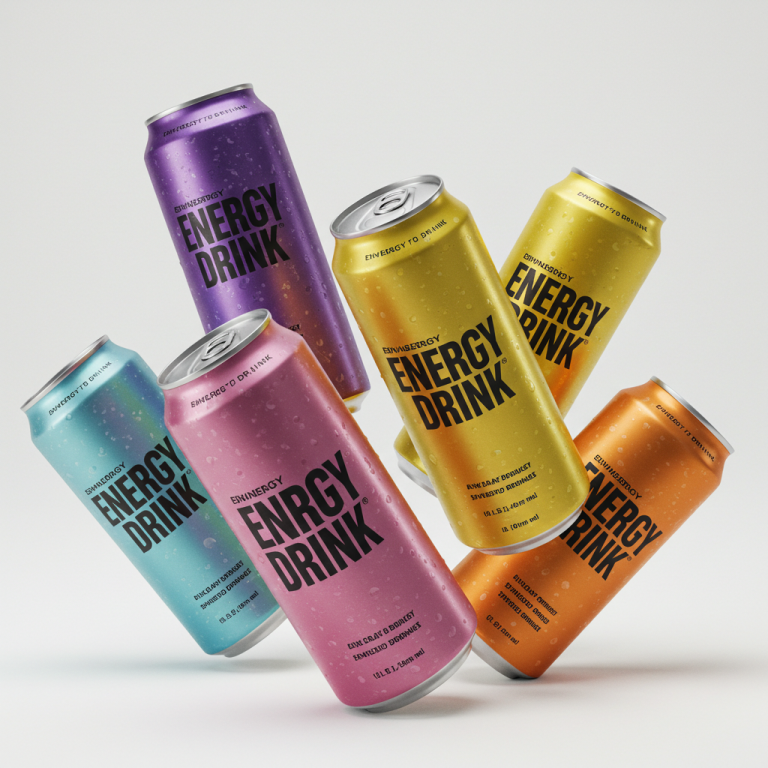
There is increasing scientific evidence demonstrating the benefits of nutritional supplementation, leading consumers to adopt ready-to-mix nutritional blends to support a healthy diet. Consumers are still seeking clearer and more precise explanations of what their bodies need in order to meet modern lifestyle standards.
As consumers become more mindful of what they put into their bodies, demand for natural ingredients is expected to rise further. As a result, the energy drink sector is likely to see the emergence of more naturally formulated energy products. Driven by this trend, companies are beginning to use caffeine sourced from natural origins, most commonly extracted from green coffee beans or green tea.
Also driven by health-focused trends, we are observing increased use of botanical extracts in premix formulations. Companies are no longer relying solely on vitamins, minerals, and amino acids; they are increasingly incorporating health-benefiting extracts such as green tea and guarana.
There is a large consumer market for energy drinks made up of individuals who are well informed about the benefits of specific ingredients and who demand high-quality products. Consequently, following whey protein—which has already been widely adopted across the market—BCAAs (branched-chain amino acids) are likely to represent the next area of growth.
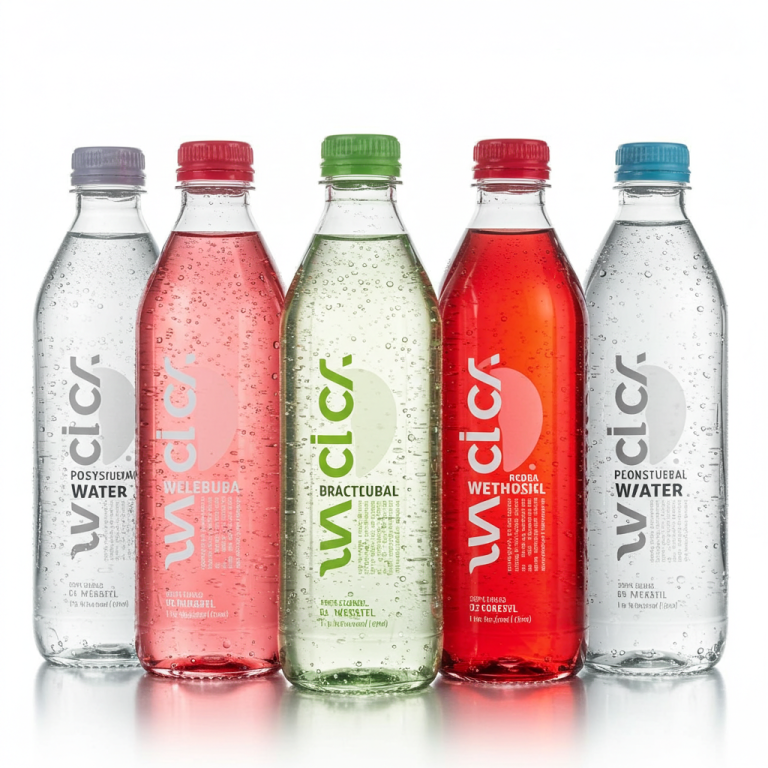
With growing concerns about diabetes and related health conditions, demand for low-calorie beverages has increased significantly in recent years. As a result, consumers have shifted away from sugary juices and carbonated drinks in search of healthier options for themselves and their families.
“Completely natural” and “safe” are the two most favored claims within the flavoured water and enriched water categories (including oxygen-enriched waters). Additional nutritional ingredients such as vitamins, minerals, as well as cannabidiol (CBD) and caffeine, further enhance the value of products in this segment.
Functional water—plain water enhanced with minerals and electrolytes, often flavoured with fruit for added appeal—has become a popular alternative to regular drinking water in recent years. This category is particularly well received among health-conscious consumers and those who engage in frequent physical activity.u
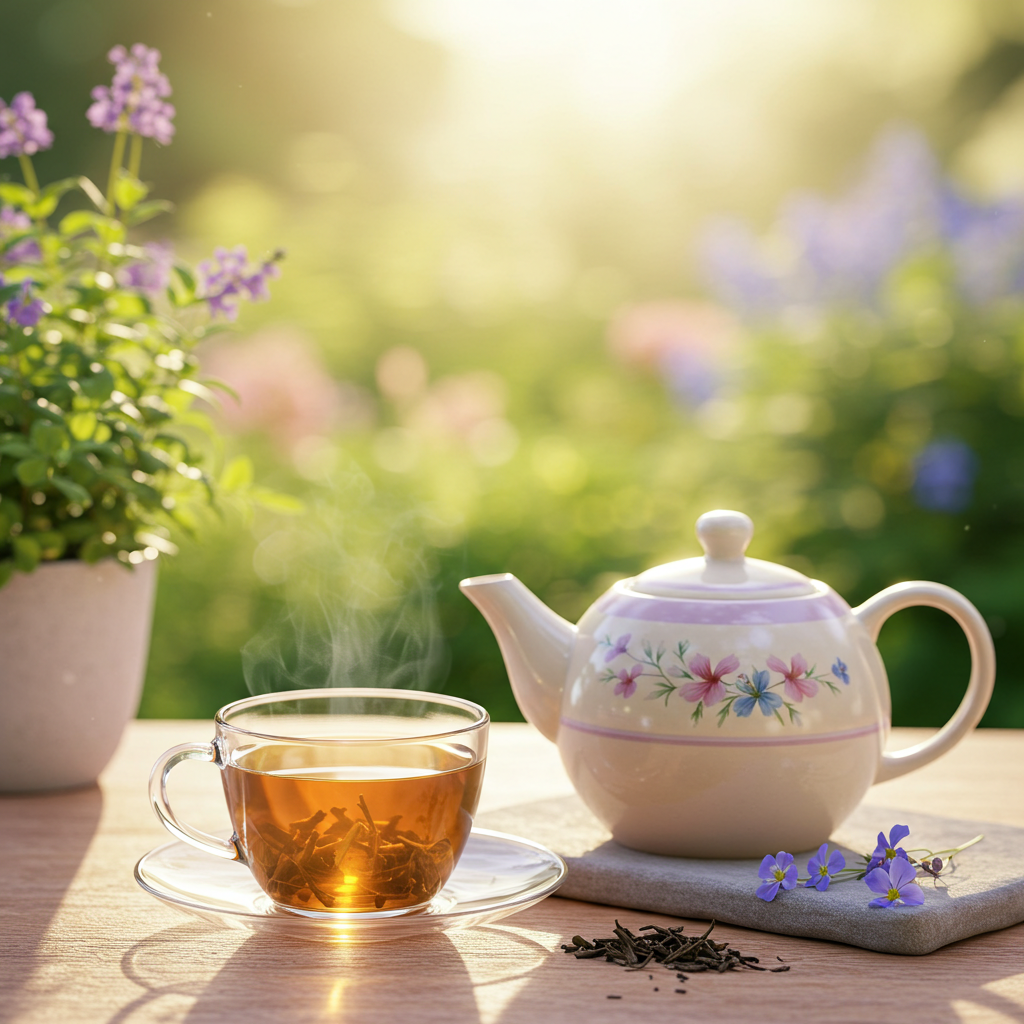
Tea is currently the most widely consumed beverage in the world after water. Tea is mainly cultivated in Asia, particularly in China, India, Sri Lanka, and Indonesia.
There is a wide variety of tea types, but they all originate from the same plant. The primary difference between them lies in the degree of fermentation of the tea leaves.
White tea and green tea are unfermented or minimally fermented teas. White tea is very rare and not widely available, with some varieties produced solely from the young buds of the tea plant.
Black tea is fully fermented, while oolong tea (also known as blue tea) is partially fermented; its fermentation process is halted early through a roasting or drying step.
Encapsulated, pelletized, and powdered flavour formats are commonly used during tea leaf blending to produce tea bag products. We offer a full range of popular flavours used in tea bags and flavoured teas, such as bergamot (Earl Grey), citrus, cardamom, licorice, turmeric, and chamomile

Infused water is purified water that has been “infused” with flavours from fresh fruits, vegetables, and herbs. Unlike bottled soft drinks that contain sugar and artificial coloring, infused water is a refined combination of pure water and the natural nutrients, vitamins, and minerals found in fruits and herbs.
Why is Infused Water so popular?
Fresh, natural flavours:
Without the need for added sugar or artificial sweeteners, infused water delivers clean, gentle flavours derived from fruits and herbs. You can get creative with endless combinations—from the sweetness of strawberries and watermelon, to the refreshing notes of lemon and mint, or the subtle warmth of ginger and orange.
Enhanced hydration with added vitamins and minerals:
The addition of natural flavours encourages increased water intake, helping support essential bodily functions such as digestion, circulation, and body temperature regulation.
Detoxifying benefits:
Certain fruits and herbs, such as lemon, cucumber, and mint, are believed to support the body’s natural detoxification processes by helping eliminate waste and promoting healthy liver and kidney function.
Liqueurs is a sweet and flavoured distilled spirit. Liqueurs are commonly flavoured with herbs and spices, creams, fruits, flowers or nuts. In most cases, liqueurs are rather sweet, syrupy and rarely aged. They usually have a much lower alcohol content, often between 15-30% ABV.
Today, with many of the traditional spirits such as vodka being flavoured, it has become rather difficult for many to distinguish between Spirits and Liqueurs.
The SPIRITS category (also called “Liquors”) designates a wide range of alcoholic beverages produced by distillation of fermented raw materials: grains, fruits or flowers. The category includes : VODKA, GIN, WHISKY , RUM, TEQUILA and BRANDY with ABV* levels between 35% and up to 60%. Fruits, herbs and plants infusions are commonly used to flavour and give a twist to traditional recipes.

Hard seltzer is an alcoholic sparkling water, crystal clear and low in sugar, positioned as a trendy and healthy alternative to wine and beer. This drink, halfway between a soda and cocktail, was born in North America. Thanks to their low sugar and low calorie content, hard seltzers are primarily aimed at consumers concerned about their figure.

Beer: an alcoholic drink made from yeast-fermented malt flavoured with hops.
Cocktail: an alcoholic drink consisting of a spirit or several spirits mixed with other ingredients, such as fruit juice, lemonade, or cream.

Vodka, a beverage with a distinctive great flavour, we are looking for flavours with an impactful, bold, and rich taste profile. We also need more natural ingredients, avoiding overly synthetic flavours.
Flavoured Vodkas can be easily utilized in many preparation methods: a chilled shot, mixed with juice to make a cocktail, or simply diluted with lemon and sparkling water.
Alcopops are distilled, sweetened alcoholic beverages with low alcohol content (<15%). Primarily targeting the younger demographic, these beverages come in convenient, portable packaging.

Việt Hương specializes in customizing and developing flavours, fragrances, and extracts to the unique needs of each customer, reflecting the distinct characteristics of local cuisine. We are committed to providing high-quality, optimized flavour and fragrance solutions that meet the diverse and stringent demands of both the market and our customers.
At Việt Hương, we are dedicated to assist our customers in crafting exceptional products. Our team of experts can provide comprehensive support throughout your development process. Whether you require samples for testing, wish to discuss specific product requirements, or seek guidance on our extensive portfolio of flavours, fragrances, and extracts, we are ready to collaborate. Contact our Sales Team today for in-depth consultation.
We would love to hear from you!